Shoreditch deep cleaning for flats near Old Street Station
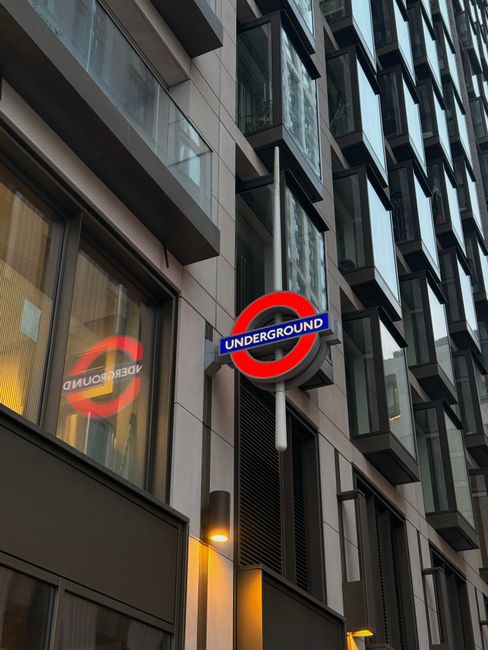
If you live in a flat near Old Street Station, you already know the pattern: busy roads outside, dust creeping in faster than you'd like, and a home that can look tidy but still feel a bit tired. That is exactly where Shoreditch deep cleaning for flats near Old Street Station earns its keep. It is not just a "bigger tidy-up". It is a full reset for kitchens, bathrooms, floors, fixtures, hidden corners, and the places ordinary cleaning tends to miss.
Whether you are moving out, settling into a new place, tackling seasonal grime, or just tired of living with the build-up that sneaks in around busy London life, a proper deep clean can make the flat feel brighter, fresher, and much easier to live in. In this guide, we'll break down what it involves, how it works, who needs it, and the little details that make a big difference. Let's face it, flats near Old Street rarely stay spotless on their own.
Why Shoreditch deep cleaning for flats near Old Street Station matters
Flats near Old Street Station sit in a part of London that never really stands still. Foot traffic, deliveries, traffic film, and the general rhythm of city living all leave their mark indoors. Even if you clean regularly, you can still get grime that settles along skirting boards, around taps, behind appliances, inside extractor fans, and in the awkward places you only notice when the afternoon light hits just right.
A deep clean matters because those hidden areas affect more than appearance. Grease can build up in kitchens, limescale can make bathrooms look older than they are, and dust can gather in vents, door frames, and soft furnishings. Over time, that build-up changes how the flat feels. It can smell a bit stale, look dull, and take more effort to maintain. A good deep clean interrupts that cycle.
There is also the rental and resale angle. If you are handing back keys, preparing for new tenants, or trying to present a flat well, the difference between surface-clean and properly cleaned is obvious. Landlords, letting agents, and buyers notice details. So do flatmates, guests, and frankly, you do too when you walk in after a long day and the place actually feels clean.
For many people, the practical benefit is time. Not the glamorous kind of benefit, but the real one. A deep clean saves you from spending your weekend kneeling in front of the oven with a sponge and a bad mood. Been there. Not fun.
How Shoreditch deep cleaning for flats near Old Street Station works
Deep cleaning is usually a room-by-room, detail-first process. It goes beyond visible surfaces and focuses on the kinds of tasks that are easy to postpone. In a flat, that often means kitchens and bathrooms first, then living areas, bedrooms, hallways, and any special surfaces that need attention.
A thorough service typically starts with an assessment of the flat's condition and the priorities for the visit. For example, a compact one-bedroom near Old Street may need more time spent on greasy kitchen surfaces and compact bathroom fittings, while a larger split-level flat might need more focus on stair edges, window tracks, and high-touch points throughout.
In practice, the work can include:
- degreasing kitchen surfaces, splashbacks, cabinets, and handles
- cleaning inside and around appliances such as ovens, fridges, and extractor hoods
- descaling taps, shower screens, and bathroom tiles
- wiping skirting boards, door frames, sockets, and light switches
- dusting vents, shelves, radiators, and awkward ledges
- vacuuming and mopping floors thoroughly
- cleaning glass, mirrors, and interior window surfaces where appropriate
- spot-cleaning upholstery, rugs, or carpets when included
The order matters more than people think. You usually work from top to bottom and from cleaner to dirtier areas, otherwise you end up chasing dust around the flat like it has a personal grudge against you. That is why experienced cleaners tend to follow a structured method rather than improvising room by room.
If the flat needs more specific attention, some services are worth pairing with the main deep clean. For instance, a stubborn carpet in a busy living room may benefit from carpet cleaning, while sofas and armchairs can often be refreshed through sofa cleaning or upholstery cleaning. It depends on the flat, not just the floor plan.
Key benefits and practical advantages
The first benefit is obvious: the flat looks and feels cleaner. But there is more to it than that. A real deep clean changes how you use your space day to day. You stop noticing sticky cupboard handles, dusty corners, and that one grimy patch behind the bin. The whole place just works better.
Here are the main practical advantages:
- Better hygiene: Kitchens and bathrooms are properly sanitised, not merely wiped over.
- Less visible wear: Regular attention helps reduce the dulling effect of grease, dust, and limescale.
- Improved comfort: A cleaner flat feels calmer, lighter, and easier to live in.
- Move-out readiness: Helpful for tenants who want to leave a strong final impression.
- Move-in freshness: Ideal before unpacking into a new place, when you do not want to clean around furniture later.
- Targeted problem solving: Useful for specific issues like oven grime, bathroom build-up, or floor marks.
Another benefit is consistency. If your weekly cleaning has slipped, or you have had a busy month and the place has got away from you a bit, a deep clean resets the standard. From there, your regular cleaning becomes much easier to keep on top of.
There is a psychological side too, though people often say it only after the fact. A freshly deep-cleaned flat feels less cluttered even when the furniture has not changed. That can be surprisingly motivating. Morning coffee tastes better in a kitchen that actually shines. Small thing, but it matters.
Who this is for and when it makes sense
Shoreditch deep cleaning for flats near Old Street Station is useful for a wide range of people. It is not just for end of tenancy moves or post-renovation chaos, though those are common reasons. In real life, many bookings come from people who simply want a home that feels properly reset.
It makes sense if you are:
- moving into a new flat and want a fresh start
- moving out and need the property professionally prepared
- hosting visitors or family and want everything looking its best
- recovering a flat after illness, a busy work period, or a long stretch of neglect
- living in a compact flat where dust and grease seem to build quickly
- renting a place with older fittings that need more than a casual wipe-down
- managing a property and want it ready for viewings or new occupants
For tenants, deep cleaning is often about avoiding stress at the end of a tenancy. For homeowners, it might be about removing stubborn build-up before it turns into a bigger job. And if you work from home, you may just notice the place feels more manageable once the kitchen, bathroom, and floors are fully refreshed.
Truth be told, there is no "perfect" time. If the flat feels off, smells a bit musty, or has built-up grime in the usual hotspots, that is often enough reason to book one. You do not need a dramatic excuse.
Step-by-step guidance
If you want the best result, it helps to understand how the process should unfold. That way you know what is being done, what to prepare, and where the time usually goes. Here is a practical step-by-step view of a proper flat deep clean.
- Walk through the flat first. Check which rooms need the most attention and note any fragile items, stains, or problem areas.
- Declutter surfaces. Move personal items, papers, toiletries, loose cables, and anything that blocks access to skirting boards or shelves.
- Start with dry dusting. Remove loose dust before introducing moisture, especially around shelves, blinds, ledges, and electronics.
- Clean high-contact points. Light switches, handles, banisters, and taps are touched constantly and should not be overlooked.
- Degrease and descale. Kitchens and bathrooms usually need specialist attention for grease, soap residue, and limescale.
- Address appliances and fixtures. Ovens, extractor fans, microwaves, sinks, shower screens, and fridge seals often need detail work.
- Finish floors last. Vacuum thoroughly, then mop or machine-clean as needed so debris from earlier tasks is not dragged around.
- Do a final inspection. Check corners, mirrors, under furniture edges, and the places people always forget until the end.
If the flat includes hard surfaces that have lost their finish, a dedicated hard floor cleaning service may be the sensible extra step. For homes with old cooking residue, booking oven cleaning separately can also make a huge difference. That burnt-on layer does not usually disappear on its own, no matter how politely you stare at it.
One small but useful habit: ask for the main problem areas to be prioritised before the clean begins. A clear brief saves time and avoids missed spots. Simple, but effective.
Expert tips for better results
A few smart decisions can turn a decent deep clean into an excellent one. In our experience, the best results come from preparation, clarity, and not trying to do everything at the last minute.
Use these tips:
- Clear the surfaces first. The more items removed from worktops and bathroom shelves, the more detailed the clean can be.
- Flag stains and trouble areas. That odd mark behind the radiator or the sticky patch in the cupboard is easy to miss unless you mention it.
- Don't wait until everything is "really bad". Light build-up is quicker and cheaper to manage than heavy build-up. Obvious, yes, but worth saying.
- Combine services where it makes sense. A flat with tired sofas, worn rugs, or marked windows may need more than one type of cleaning.
- Plan around drying time. If carpets or upholstery are being cleaned, allow enough time before use.
- Check access in advance. Near Old Street, flats can have awkward entrances, limited parking, or tight stairwells. That affects logistics.
One more thing: ventilation matters. Open a window if weather and privacy allow. Fresh air helps after cleaning and stops the place feeling damp or chemically heavy. Not a big dramatic tip, just a good one.
If you are comparing providers, it can be helpful to look at the company's approach to trust and safety. Pages such as insurance and safety and health and safety policy are useful indicators of how seriously a company treats the job. That matters when someone is working inside your home around glass, electrics, and valuables.
Common mistakes to avoid
There are a few repeat mistakes people make when booking or preparing for a deep clean. None are catastrophic. Still, they can leave you disappointed or force extra work later.
- Assuming deep cleaning means everything is included. It usually covers extensive detail work, but not every company includes every add-on by default.
- Not telling the team about special materials. Delicate stone, untreated wood, or antique finishes may need gentler methods.
- Leaving the flat too cluttered. Cleaners cannot deep clean a surface they cannot access.
- Ignoring appliances. The oven and extractor area often dominate the "unclean" feeling in a kitchen.
- Choosing price alone. Low cost looks attractive, but the cheapest option can become expensive if the result is patchy.
- Forgetting the aftermath. If the flat is being used immediately after, think about drying time, ventilation, and how long the clean will last before normal life resumes.
A common one in Shoreditch is underestimating dust from open windows and city traffic. Near a station, fine particles gather quickly. You clean on Friday, and by Monday the windowsill already looks like it has thoughts of its own. That does not mean the clean failed. It just means the environment is busy.
Tools, resources and recommendations
A good deep clean depends on the right tools as much as the right method. You do not need a warehouse of equipment, but you do need the basics done properly.
Useful equipment and materials often include:
- microfibre cloths for dust and surface cleaning
- degreasing products for kitchen build-up
- descaler for taps, sinks, and shower fittings
- vacuum attachments for corners, skirting boards, and upholstery
- non-abrasive scrub pads for tiles and bathroom surfaces
- mop systems suited to the flooring type
- glass cleaner for mirrors and internal panes
For people who want an all-rounder approach, it can help to think in zones. Kitchens need grease removal. Bathrooms need limescale and soap residue control. Living rooms need dust, fabric care, and floor attention. Bedrooms often need a lighter but still detailed reset. That is why a broad service such as deep cleaning is often more practical than booking lots of separate partial cleans.
If your flat has fabric-heavy furnishings, pair the main clean with rug cleaning or carpets cleaner support where suitable. And if your windows are letting in the usual Shoreditch street dust, a dedicated window cleaning service can be a sensible finishing touch.
Law, compliance, standards, or best practice
For residential cleaning, the main thing to remember is that good practice matters even when the task sounds simple. Anyone entering your flat to clean should work safely, respect your space, and handle products responsibly. If a company is insured, that is a meaningful reassurance, especially in a busy flat with tight hallways or valuable items.
There are also sensible expectations around clear terms, fair payment handling, and privacy. If you are hiring a company, it is reasonable to look for straightforward information on terms and conditions, payment and security, and privacy policy. These are not just admin pages. They show how the company handles your booking, data, and responsibilities.
On the practical side, UK tenants should also be aware of their obligations at the end of a tenancy. While every tenancy agreement is different, properties are generally expected to be returned in a reasonably clean condition. A deep clean can help meet that standard, but it is smart to check your own tenancy terms rather than guessing. Much safer that way.
Best-practice principle: choose a service that is transparent about scope, has sensible safety procedures, and can explain what is and is not included before work begins.
Options, methods, or comparison table
Not every flat needs the same level of service. Some homes need a one-off reset, while others need a more focused intervention. Here is a simple comparison to make the decision easier.
| Option | Best for | Typical focus | Notes |
|---|---|---|---|
| Regular domestic cleaning | Keeping on top of weekly mess | Surface cleaning, dusting, vacuuming | Good for maintenance, not enough for heavy build-up |
| One-off deep cleaning | Seasonal refresh, move-in, move-out | Detail cleaning, grime removal, neglected areas | Usually the best fit for flats near Old Street needing a reset |
| End of tenancy cleaning | Tenants leaving a property | Full property cleaning with handover in mind | Often more exacting and documentation-focused |
| Targeted add-ons | Problem areas only | Ovens, carpets, upholstery, windows | Useful when the whole flat does not need a full service |
If you are unsure which route is best, think about the outcome you need. Want the whole flat to feel renewed? Go deep clean. Want a presentable handover? Combine deep cleaning with end-of-tenancy preparation. Only the sofa, oven, and carpet look rough? Then targeted services may be enough.
Case study or real-world example
A common real-world situation goes like this. A tenant in a compact Shoreditch flat, a short walk from Old Street Station, has been living there for a year or two. The place is not dirty in a dramatic sense, but the kitchen has a greasy film on cabinets, the bathroom has limescale around the tap, and the bedroom carpet has picked up everyday dust and traffic from the hallway.
They have family visiting on a Sunday, and the flat somehow looks older at 5pm than it did at 9am. They book a one-off deep clean, add carpet cleaning in the main living space, and ask for extra attention on the oven and bathroom. The result is not just visual. The flat smells fresher, feels cooler, and is much easier to keep tidy the following week.
That sort of outcome is very common. Not magical. Just methodical.
Another example: a landlord preparing for new tenants after a long occupancy. The main issue is not clutter, but built-up residue in the kitchen and wear around high-touch points. A deep clean supported by one-off cleaning and domestic cleaning can put the flat into a much better state for viewings. No drama, just a more presentable property.
Practical checklist
Use this checklist before and after the clean to keep things simple.
- Remove personal items from worktops, sinks, shelves, and floors
- Tell the cleaner about stains, fragile surfaces, or access issues
- Check whether oven, carpet, upholstery, or window cleaning is needed
- Confirm which rooms are included in the service
- Make sure cleaners can access water, power, and all relevant areas
- Ventilate the flat if appropriate after cleaning
- Inspect key spots such as taps, corners, skirting boards, and appliance fronts
- Keep a note of anything that may need follow-up attention
Quick reminder: the best deep clean is the one that matches the real condition of the flat, not just the ideal version in your head.
If you are comparing providers, you may also want to read about the company itself through about us and understand how issues are handled via the complaints procedure. That kind of detail is useful when you want reassurance before anyone steps through the door.
Conclusion
Shoreditch deep cleaning for flats near Old Street Station is about more than making a place look nice for a day. It is a practical reset for busy flats that pick up dust, grease, and general city wear faster than people expect. When done well, it creates a cleaner, calmer, easier home to live in - or hand over, if you are moving on.
The main thing is to match the service to the real needs of the flat: the kitchen, the bathroom, the floors, the soft furnishings, the awkward corners, and the parts everyone forgets until they are pointed out. Do that, and the results are usually very satisfying. A bit of breathing room, really. A fresh start.
Get a free quote today and see how much you can save.
Frequently Asked Questions
What does Shoreditch deep cleaning for flats near Old Street Station usually include?
It usually includes detailed cleaning of kitchens, bathrooms, floors, skirting boards, surfaces, and high-touch areas, plus extra attention to build-up that normal cleaning misses.
Is a deep clean the same as regular domestic cleaning?
No. Regular domestic cleaning maintains a home, while deep cleaning tackles grime, residue, limescale, hidden dust, and other areas that need more intensive work.
How long does a flat deep clean take?
It depends on the size and condition of the flat. A compact flat may be quicker, while older or heavily used flats usually take longer because of detail work.
Do I need to move things out before the clean?
You do not need to empty the whole flat, but clearing surfaces and floors helps a lot. Cleaners can work more thoroughly when they can access the areas properly.
Is deep cleaning worth it before moving out?
Yes, especially if you want the property to present well at handover. It can help with leaving the flat in a cleaner condition and reduce avoidable stress at the end of a tenancy.
Can I book deep cleaning with carpet or sofa care?
Yes, and in many flats it makes sense. A main deep clean paired with carpet cleaning or sofa cleaning often gives a much more complete result.
What areas of a flat are most often forgotten?
People often miss skirting boards, extractor fans, behind appliances, door frames, sockets, and the edges around taps and sinks. Those small spots make a big difference.
Should I choose deep cleaning or end of tenancy cleaning?
If you are moving out and need the property ready for inspection or handover, end of tenancy cleaning may be the better fit. If you want a general reset for your flat, deep cleaning is usually the right choice.
How often should a flat near Old Street Station be deep cleaned?
That depends on use, household size, and how much traffic the flat gets. Many people book a deep clean seasonally, before guests arrive, or when the property starts to feel tired.
Are cleaning companies expected to be insured?
It is strongly advisable. Insurance and clear safety procedures matter whenever someone is working inside your home, especially with equipment, products, and delicate surfaces involved.
Can a deep clean help with odours?
Yes, particularly if odours are coming from kitchen build-up, bins, drains, soft furnishings, or damp areas. A proper clean usually makes a noticeable difference.
How do I prepare my flat before the cleaners arrive?
Declutter surfaces, put away valuables, mention fragile items, and tell the team about any specific concerns. A little preparation goes a long way, honestly.
Where can I find more information about pricing?
You can review the pricing and quotes page to understand how estimates are handled and what information may be needed for an accurate quote.