Deep Cleaning Shoreditch

Deep Cleaning Shoreditch provides thorough, detail-focused cleaning for homes and workplaces that need more than a routine tidy. Our service is centred on the careful removal of built-up dust, grease, marks and residue from surfaces that are often overlooked in regular cleans. That can include kitchens, bathrooms, skirting, reachable fittings, internal glass, switches, and other touchpoints where a deeper method makes a clear difference to the finished result.
We carry out deep cleaning in Shoreditch with a practical approach that suits busy properties, post-occupation refreshes and periodic reset cleans. The work is planned around the condition of the space rather than a one-size-fits-all checklist, so areas with heavier use receive appropriate attention. Every property has different needs, but the aim remains consistent: leave the space cleaner, fresher and easier to maintain afterwards.
If you are comparing options, it can help to think about where residue is building up and which rooms need the most attention. You can request a quotation when you are ready, or use the service pages to see how different types of cleaning are typically handled.
Deep cleaning for kitchens, bathrooms and lived-in spaces
Kitchen and bathroom cleaning usually take the most time in a deep clean because those rooms collect the most stubborn soil. We focus on areas where routine cleaning often leaves behind film or build-up, such as splash zones, sink surrounds, taps, appliance exteriors, cabinet faces and the edges and corners that are easy to miss. In bathrooms, the service commonly includes descaling, sanitising suitable surfaces and improving the appearance of fixtures that are dulled by regular use.
In the rest of the property, the work is about resetting the overall finish rather than simply wiping visible surfaces. That may involve internal doors, frames, fixtures, banisters, furniture tops, accessible ledges and floor edges. Where useful, one-off cleaning can be a sensible option for properties that need a single intensive visit rather than ongoing maintenance. The right scope depends on condition, access and the rooms you want prioritised, so the clean can be matched to the property instead of rushed through.
For many customers, the most helpful starting point is to think room by room and note where grease, limescale, dust or fingerprints are most noticeable. If a particular area matters most, say so at the enquiry stage so the work can be shaped around it. The more clearly the priorities are set, the easier it is to produce a quotation that reflects the actual task in front of us.
What a deep clean can cover

Deep cleaning is broader than normal domestic cleaning because it pays attention to detail, edges and built-up residue that routine visits may leave behind. Depending on the property and the agreed scope, it may include wiping accessible internal surfaces, cleaning around fixtures, tackling grease and grime on kitchen touchpoints, and refreshing bathroom fittings and tiled areas. It is not a cosmetic quick pass; it is a slower, more methodical service intended to improve the overall standard of cleanliness across the property.
Some jobs need a clear distinction between the general clean and the specialist work. For example, a client may want the main rooms refreshed, with heavier attention in the kitchen and bathroom, while leaving delicate materials or specialist finishes for separate treatment. If you want to compare related services, domestic cleaning is useful for regular upkeep, while house cleaning can support broader property maintenance needs. Choosing the right combination keeps the work targeted and avoids paying for detail where it is not needed.
The best results usually come from being specific about the rooms and surfaces that matter most. A good quotation should reflect the time and effort needed in the actual property, not a generic guess. That is why clear information about the size of the space and the areas of concern is useful when asking for a price.
After-builders and renovation cleans
After building work, dust and fine debris can settle in places that are hard to notice at first glance. An after-builders cleaning service is designed to deal with that post-work residue so the property is ready for normal use again. The process often includes removing dust from surfaces, cleaning fixtures, dealing with marks left by trade activity and paying attention to corners, frames and fittings where construction debris tends to collect.
This type of clean benefits from a careful sequence because loose dust can spread if the work is not handled methodically. It often makes sense to clean from higher areas downwards, then finish with floors once the other surfaces have been addressed. Where there is renovation dust on fragile finishes, the method and products used need to be suitable for the material. The aim is not to overstate what a clean can solve, but to restore order after disruptive work.
If you are planning a post-refurbishment clean, it helps to mention what kind of work has taken place, whether there is heavy dust, and which rooms are ready for attention first. That makes it easier to shape the quotation and decide whether the job needs a full reset or a more focused clean on selected areas.
Home and domestic cleaning support

Not every property needs a full deep clean every time. Some customers want a stronger clean on a single visit before moving back into a normal routine. Others want support with specific rooms that have become harder to keep on top of. Our home-focused cleaning services can be used to refresh the property when the general standard has slipped and a more careful, methodical approach is needed.
If you are comparing service types, home cleaners are generally suited to keeping a residence tidy and manageable, while cleaner and cleaners are broader service pages that can help you understand the range of support available. For a stronger reset, deep cleaning is the main fit. That distinction matters because the depth of work affects time, materials and the quotation you receive. The right choice depends on whether you need maintenance or a more intensive one-off clean.
When booking for a house or flat, it is sensible to mention whether there are particular surfaces, rooms or materials that need extra care. That can include awkward access, heavy use in the kitchen, or a bathroom that needs more than a standard wipe-down. A focused enquiry helps set the right expectation from the start.
Ovens, kitchens and built-up grease
Oven cleaning is often requested as part of a deeper kitchen clean because ovens accumulate carbon, baked-on grease and odour over time. A proper clean takes more than a quick surface wipe: trays, racks, doors, seals and internal surfaces may all need careful treatment, depending on condition and access. When included in a wider kitchen service, the goal is to bring the whole cooking area into a cleaner, more usable state.
Related kitchen work can also involve oven cleaner support, plus attention to splashback areas, cupboard fronts and worktop edges where daily cooking leaves marks. Some customers prefer to treat the oven as a separate task, while others want it incorporated into a larger deep clean. The sensible choice depends on the level of build-up and whether the rest of the kitchen needs a comparable refresh.
If you are preparing a quotation request, it helps to note whether the oven is lightly used, heavily soiled or simply overdue a proper clean. That gives a clearer idea of the time required and whether the kitchen should be quoted as part of a broader clean or as a more specific task.
Upholstery, rugs and soft furnishings

Soft furnishings need a different approach from hard surfaces because fabric can trap dust, marks and odours more readily. Where suitable, services such as upholstery cleaning, sofa cleaning and rug cleaning can be useful additions to a deep clean plan. These tasks are about refreshment as well as appearance, and they need methods that suit the textile, the dye and the condition of the item.
In practical terms, soft furnishing work may be relevant when a room otherwise looks clean but still feels tired. Upholstered seating, rugs and similar items often hold onto everyday debris that is not obvious until the fabric is treated properly. That makes them a natural fit for customers who want a more complete reset rather than a surface-level tidy. The service should always be matched to the material and its condition so the result is safe and appropriate.
When asking for a quotation, it is useful to identify the items involved and whether they are in regular use, recently stained or simply in need of a refresh. A clear description helps with scoping and also shows whether the job is best handled on its own or alongside the main property clean.
About Shoreditch
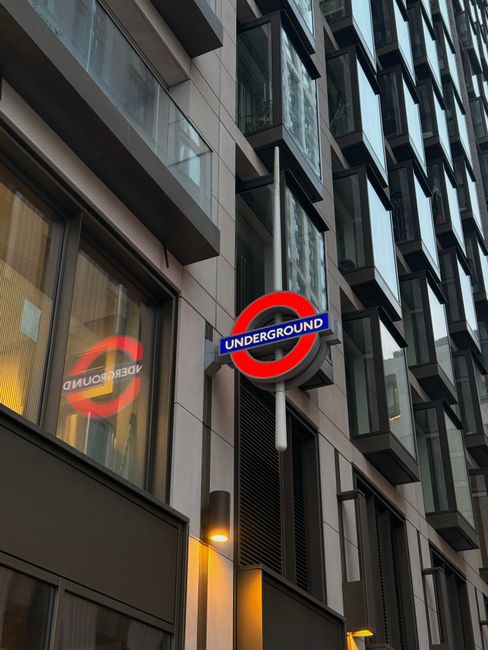
Shoreditch is an inner area of East London known for its blend of old street patterns, surviving historic buildings and extensive redevelopment. It sits close to the City of London and has long been associated with craft, trade, performance and later with creative industries. The area takes its name from the former medieval parish and retains a layered character, where modern commercial buildings stand alongside warehouses, terraces and converted industrial premises. Brick Lane, Old Street and Shoreditch High Street all help define the district’s identity, while nearby rail and Underground connections have made it a busy and well-connected part of the capital. The neighbourhood also contains a number of streets with distinct architectural eras, from Georgian and Victorian fabric to late twentieth-century and contemporary infill. Shoreditch has strong links to public art, nightlife and independent retail, but it also has quieter pockets and residential streets that reflect its continuing mix of uses. Parks and open spaces in the wider area, together with markets, galleries and the street-level life around its main roads, contribute to a place that feels both historic and constantly changing. This combination of older building stock, commercial activity and dense urban texture gives Shoreditch a notably varied cityscape that can be read in its lanes, frontages and building forms.
End of tenancy and moving-day cleaning
End of tenancy cleaning is often chosen when a property needs to be returned in a presentable condition after a move. This is usually more detailed than routine cleaning because it has to deal with the traces of living in the property: kitchen residue, bathroom build-up, marks around doors and switches, and general dust that settles in places people stop noticing. The work can also be adapted for vacant rooms where access is easier but the finish expected is higher.
In some cases, moving-day jobs overlap with house clearance if unwanted items need to be removed before the clean begins. That is not the same as a standard cleaning task, so the quotation should be based on what actually needs to be done. If the property is empty, the clean may be more efficient; if there are still belongings on site, the sequence and scope can change. Accuracy at the start helps avoid confusion later.
For a moving clean, it is sensible to highlight the size of the property, the rooms that matter most and any particularly neglected areas. If appliances, shelving or fixtures need attention, say so clearly. A straightforward description gives the best chance of a quotation that reflects the true task rather than a rough guess.
Commercial and office cleaning options

Workplaces need a different cleaning rhythm from domestic properties, especially where footfall is constant and multiple people use the same surfaces. Office cleaning is designed to support desks, communal areas, meeting spaces and shared touchpoints with a methodical approach that helps maintain a professional environment. The emphasis is on consistency, tidiness and sensible attention to the areas staff and visitors use most.
For businesses that want cleaning arranged around their premises rather than a home-style service, office cleaners and cleaning company information can help explain the available support. The exact schedule and tasks depend on the building, occupancy and layout, so it is worth being clear about the areas involved. If you need a quotation, describe the rooms, the level of use and any particular surfaces that need regular care.
Whether the requirement is a fresh one-off clean or a more structured arrangement, the most useful next step is simple: tell us what needs attention and ask for a quotation. Contact us when you are ready, and we will help shape the right cleaning scope for the property.
Pricing factors and how to plan a quotation
Quotation requests are most accurate when they focus on the actual work rather than general assumptions. The main factors usually include the size of the property, the number of rooms to be covered, the level of build-up, any specialist tasks, and whether the job is a one-off deep clean or part of a more regular arrangement. These elements affect how long the clean may take and which materials or methods are suitable.
It is also helpful to say whether access is straightforward, whether any areas are especially delicate, and whether the clean needs to concentrate on kitchens, bathrooms, upholstery or a particular room. If you are unsure how to describe the work, start with the rooms that matter most and the condition they are in. A short, accurate summary is usually better than a long list of uncertain details, because it allows the quotation to be based on real needs.
For convenience, keep a simple note of the rooms involved and anything that might affect the scope. Then use the contact route when you are ready to proceed, and ask for a quotation that reflects the property as it stands now.